
Introduction
The USDA defines regenerative agriculture as “a conservation management approach that addresses natural resource concerns through soil health, water management, and biodiversity.” However, unlike USDA Organic, this management approach is not currently regulated or legally enforced for entities that use terms such as regenerative agriculture or farming to describe their practices or products.
While the lack of a clearly stated definition can cause confusion, at its core, regenerative farming aims to keep the land and soil healthy for future generations. Proponents of regenerative agriculture often claim it is an approach to farming that can restore depleted soils, produce stronger, more nutritious crops, and protect the environment.
Many of these methods are also touted for helping farms become more resilient to extreme weather events, such as droughts and heavy rains. Given its focus on reducing inputs, economic resilience is also often cited as a benefit of regenerative farming, further supporting the idea that these approaches could improve the sustainability of our food system.
Common Principles of Regenerative Farming
Holistic regenerative farming approaches often include practices aligned with the following key principles: reducing soil disturbance, enhancing crop diversity, keeping soils covered, maintaining living roots year-round, and integrating livestock into crop production (Figure 1).
Not One-Size-Fits-All
Some supporters of regenerative agriculture will also include a sixth principle that emphasizes considering the context of the individual farm and its environment when determining which regenerative practices to implement. The idea is that there is no one-size-fits-all approach when a farm transitions toward regenerative practices.
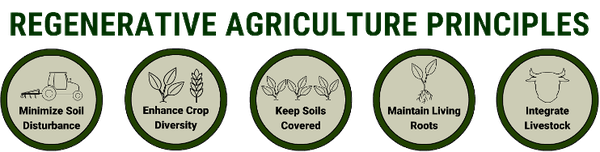
Figure 1: Regenerative Agriculture Common Principles
Common Practices of Regenerative Farming
Minimize Soil Disturbances
Avoid excessive tillage, conventional deep tillage, or heavy equipment use during field preparation or after crop harvest to minimize damage to soil structure and disruption of soil biological activity.
Diversify Crop Rotations
Rotate different crops to increase biodiversity in the aboveground cropping system and the belowground soil biological community, thereby promoting interactions among root systems, soil microbes, and other living organisms.
Keep Soil Covered
Keep the soil surface covered most of the time, either by plant growth or crop residues, to provide physical protection for the topsoil. Cover crops are one way to keep the soil covered when no cash crops are growing.
Maintain Living Roots in Soils
Maintain active roots in the soil for an extended period of the year. Living roots in the soil provide food for soil microbes, keeping the soil’s biological processes active and dynamic. One way to accomplish this is to grow cover crops when fields are not occupied by cash crops.
Integrate Animals and Livestock
Incorporate livestock and grazing into the same fields where cash crops are grown. The goal is to improve nutrient cycling in the soil and further diversify overall farming practices.
Reduce Use of Synthetic Inputs
Reduce the use of synthetic inputs, such as chemical fertilizers and pesticides, to minimize their impact on soil biology. This may also help optimize resource input for farms and lessen their environmental footprint.
Add Organic Amendments
Use farm inputs, such as manure, compost, biochar, green manures, and mulches. The goal is to increase soil organic matter, which can improve root aeration, enhance drainage, promote root growth, boost biological activity, and support healthy soil microorganisms.
Utilize Precision Farming
Use more precise farming technologies, such as satellite imagery and field mapping, to apply farm inputs, such as fertilizer and irrigation, more precisely where and when needed. This may allow farms to reduce overall inputs while maintaining productivity.
Additional Practices
Because there is no strict definition, many additional practices not covered in this fact sheet could be considered regenerative. For example, rotational grazing, agroforestry, and silvopasture are practices that exist on their own but may also be termed regenerative depending on the messaging.
Discussion
Regenerative farming has gained considerable public interest and recent USDA funding. Farmers may be drawn to the concepts not only to enhance their soils but also to gain access to price premiums and incentive payments.
Although the absence of regulation can cause more confusion compared to management systems like USDA Organic, it also allows growers greater flexibility to implement only the practices suited to their operations. However, farmers should recognize that both private and public regenerative agriculture programs may have their own specific definitions. Therefore, it is crucial to thoroughly understand the requirements of any program when considering potential opportunities.

References
Natural Resources Conservation Service. (2026, May 13). Natural Resources Conservation Service.
Natural Resources Conservation Service. (2026, May 28). Natural Resources Conservation Service.
Newton, P., Civita, N., Frankel-Goldwater, L., Bartel, K., & Johns, C. (2020). What is regenerative agriculture? A review of scholar and practitioner definitions based on processes and outcomes. Frontiers in Sustainable Food Systems, 4.
Publication date: June 30, 2026
N.C. Cooperative Extension prohibits discrimination and harassment regardless of age, color, disability, family and marital status, gender identity, national origin, political beliefs, race, religion, sex (including pregnancy), sexual orientation and veteran status.