
Abstract
Manure is among the lowest methane yielding feedstocks in digesters, but it is widely used in agricultural anaerobic digestion systems due to its continuous availability in one location, its capacity to resist changes in pH, and its relatively easy integration into existing manure management systems. System types, costs, and environmental benefits are discussed.
A pdf version of this publication is available from The Learning Store, Division of Extension, University of Wisconsin-Madison.
Manure Processing Series Partners
- University of Wisconsin Platteville, School of Agriculture
- NC State University, College of Agriculture and Life Sciences
- Texas A&M, Agrilife Extension
- University of Idaho, Department of Soil and Water Systems


Introduction
Anaerobic digestion (AD) is the process in which microorganisms degrade organic feedstocks to produce biogas and digestate in the absence of oxygen. Biogas is valued for its energy content in the form of methane, the main component of biogas (Figure 1). Digestate, the degraded organic material remaining after the digestion process, contains nutrients and reduced odor, pathogens and antibiotic content as a result of the high temperatures in the digester. Optimal temperatures occur between 50-60℉ (thermophilic) or 30-38℃ (mesophilic). Feedstocks (in this case manure) contains volatile solids, many of which are destroyed during digestion, and nitrogen, that is mineralized from organic nitrogen to ammoniacal nitrogen in the digestion process. Reduced volatile solids in the digestate can reduce greenhouse (GHG) emissions in the form of methane from downstream manure storage. However, the increased ammoniacal nitrogen can increase downstream ammonia emissions during storage and land application if mitigation measures (e.g., storage covers, injection) are not implemented.
Manure is among the lowest methane yielding feedstocks in digesters (Figure 2), but it is widely used in agricultural AD systems due to its continuous availability in one location, its capacity to resist changes in pH, and its relatively easy integration into existing manure management systems. The AgSTAR program, a cooperative effort among the US Department of Agriculture (USDA) and the US Environmental Protection Agency (EPA), presents comprehensive and detailed information about agricultural AD systems in the US and aspects to consider when planning, building and operating these systems (AgSTAR-EPA 2021).
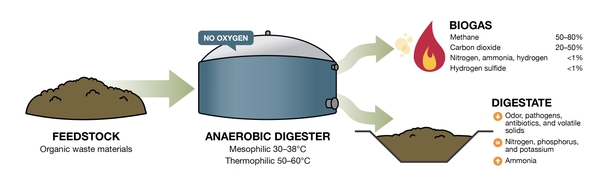
Figure 1. Characteristics of the anaerobic digestion process, outputs.
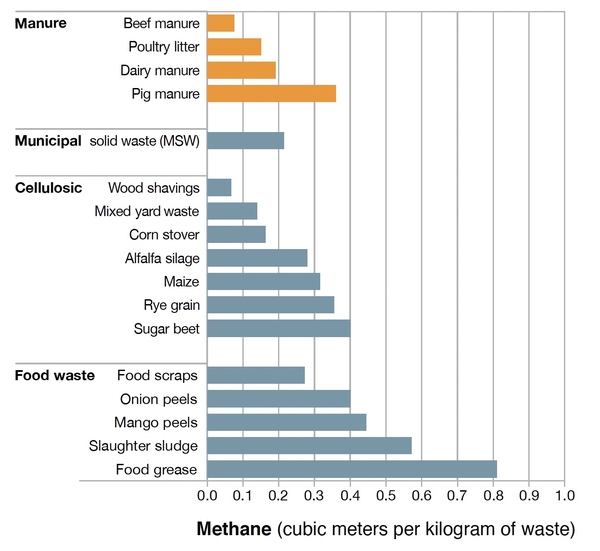
Figure 2. Methane yield per kilogram of dry material of some common organic inputs to produce energy.
Adapted from Moody et al. 2011 and Appels et al. 2011
Technology Basics
A digester, or reactor, is a sealed container that can be flexible in design to adapt and respond to the needs of the farm providing the feedstock. Some of the most popular designs that increase in complexity and cost are covered lagoons, plug-flow, and complete mix digesters (Figure 3a, Figure 3b, and Figure 3c). Covered anaerobic lagoons use a sealed flexi-ble cover to trap the produced biogas and store the digestate in a single cell or have additional cells to store the digestate. Plug-flow and mixed plug-flow digesters are generally constructed partially or fully below grade to reduce heating needs. These digesters have flexible or rigid covers and are designed so that manure flows through the digester entering in one side and exiting in the opposite side. Plug-flows are popular on dairy farms as they have a defined flow path with increased control over hydraulic retention time that can be important in pathogen destruction. Complete mixed digesters are generally above grade, enclosed heated tanks that use mixing devices to increase the exposure of the feedstock to methane producing bacteria. As a result, these systems work best with liquid and slurry manures.
The AD process starts with the daily collection and transport of manure, along with some organic bedding if used on the farm, to the digester where it typically resides for 5 to 28 days (also known as hydraulic retention time). Sand separation is recommended when sand is used as bedding to prevent buildup and costly maintenance in the digester. It is recommended that manure is transported to the digester from the collection site as often as possible to minimize the holding period, but at a minimum once per day. Given that manure immediately begins to break down after excretion, any delay will reduce the biogas production in the digester. The hydraulic retention time is much shorter for digesters operating at thermophilic temperatures than those operating at mesophilic temperatures. A shorter hydraulic retention time translates to a smaller digester, and lower investment costs. However, digesters operating at thermophilic temperatures require more energy to maintain these high temperatures and can require more management (due to the lower range of thermophilic microorganisms that can reduce stability), resulting in increased operation and maintenance costs. In the US, the majority of the anaerobic digesters operate in the mesophilic range (AgSTAR-EPA 2021).
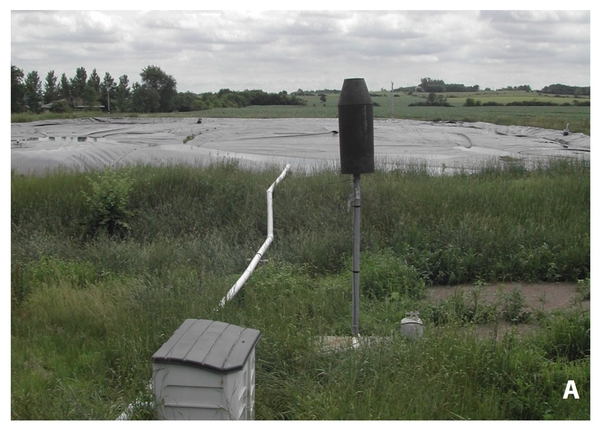
Figure 3a. Type of anaerobic digesters: Covered lagoon
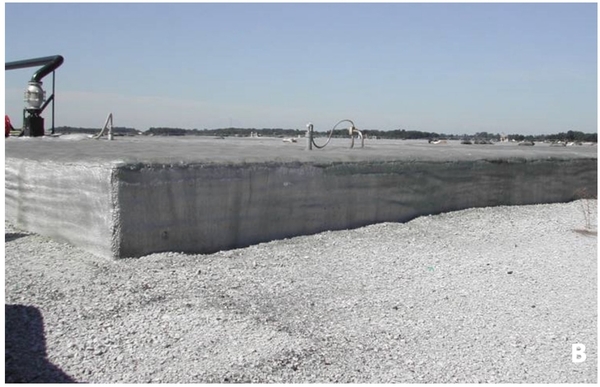
Figure 3b. Types of anaerobic digesters: plug-flow.
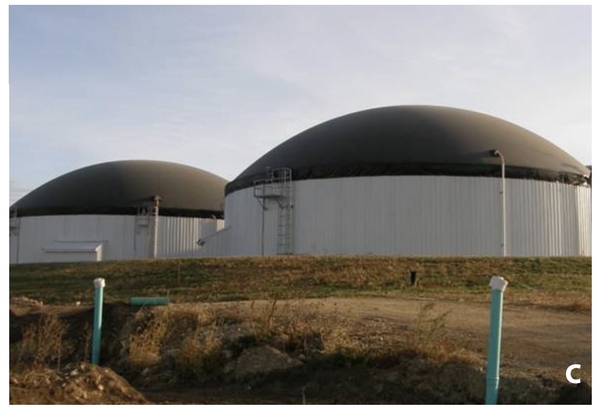
Figure 3c. Types of anaerobic digesters: complete mixed.
Performance
Methane production from manure is highly variable based on multiple factors such as digester type, operating temperatures, manure characteristics, etc. On average, methane production can range from 0.08 m³/kg dry beef manure to 0.39 m³/kg dry pig manure (Figure 2). To increase biogas production, manure can be supplemented with other organic feedstocks available on-farm (spoiled milk or silage) or transported off-farm (food waste, fats, etc.). This practiceof mixing feedstocks is known as co-digestion.
Products
Biogas is produced continuously during the digestion process and either immediately converted to energy or stored for later conversion. Biogas can be directly burned to produce heat for use on-farm, fed to a generator (with a previous cleaning of hydrogen sulfide) to produce electricity exported to the grid, cleaned and injected into the natural gas grid, or cleaned and compressed to be used as a transportation fuel. Most of the existing agricultural AD systems in the US generate electricity for the grid, but new projects are almost entirely targeting renewable natural gas (RNG) production. This trend is driven mostly by the economic incentives from both the Renewable Fuel Standard (RFS) and the California Low Carbon Fuel Standard (projects in other states can qualify for this credit if they are connected to the same gas grid as CA), which can range from 40 to 70$/ MMBtu.
Digestate, the effluent from the digester, is most commonly separated through a mechanical separation system to add value and flexibility while managing digestate. The AD process increases conversion of nitrogen from organic to its inorganic forms, which are more available for crop uptake, and the reason why separated liquid digestate is generally land applied as a fertilizer. The liquid fraction can be transported more efficiently and economically through pumps due to reduced solids and nutrient content. With less moisture and a higher nutrient concentration the solid fraction can be land-applied on-farm, transported for use on other farms, or used as bedding for cows due to the reduction of pathogens during the digestion process (Burch et al. 2018).
Cost
Capital costs required to install an AD system can vary significantly based on the digester design, size, and additional technologies used for management of products (e.g., generator, solid-liquid separator). Average capital costs for complete plug-flow and complete mix AD systems can range from $1,000 to $2,000 per cow with real dairy cow systems reporting cost going from $1.2 million for a 700-cow farm to $2.7 million for a 2,800-cow farm with costs to maintain an electricity generator alone representing $0.015 to $0.02 per kWh (Lazarus 2019).
More recently, Cowley et al. (2019) reported capital investments of $2.1 million ($400 per hog) and variable costs of $60,000 for 5,250-head hog operations using anaerobic digesters with electricity production compared to capital investments of $1 million ($200 per hog) and variable costs of $55,000 for 5,000-head hog operations with covered lagoons also producing elec-tricity. Total operation and maintenance costs can range from 2 to 7% of these costs (USDA-NRCS 2007). Economies of scale limit the feasibility of these systems to downscale. Covered lagoons are cheaper, averaging $0.05 to $0.11 per kWh + $3.82 per MWh for O&M costs (USDA-NRCS 2007), but their methane production is also lower.
Environmental Benefits and Trade-Offs
Methane is a valuable fuel (Figure 4), but also a GHG that is 28 times more potent than carbon dioxide (Myhre et al. 2013). AD can reduce the impact to climate change by promoting and capturing methane produced from manure, compared to methane losses to the atmosphere from simply storage. After digestion, biogas combustion produces biogenic carbon dioxide, which is part of the carbon cycle. This reduction comes from the destruction of most of the degradable volatile solids in manure, which are responsible for methane emissions during storage. The destruction of volatile solids in real life AD systems can range from 16%–31% in farms only processing manure to 59% in farms with co-digestion (Aguirre-Villegas, Larson, and Sharara 2019). GHG emissions from manure storage, handling, and processing can be reduced by more than 50% when integrating an AD system (Aguirre-Villegas, Larson, and Reinemann 2014). Moreover, if renewable energy from biogas replaces the production and combustion of fossil fuels, the credits from the avoided fossil-based emissions can make the farm a net sink of GHG emissions depending on the AD system size (Aguirre-Villegas and Larson 2017). However, the AD process converts some of the organic nitrogen to its inorganic form, which more easily volatilized as ammonia. Total ammoniacal nitrogen is increased by 6% in digesters only processing manure and up to 150% in co-digestion systems (Aguirre-Villegas, Larson, and Sharara 2019). A cover during manure storage and injection or rapid incorporation of manure are effective strategies to reduce ammonia volatilization. Other benefits from AD including reducing odor, pathogens, and antibiotics.
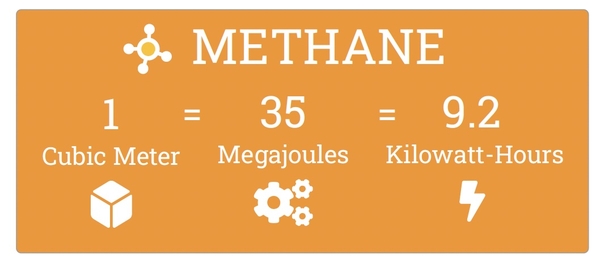
Figure 4. Energy values of methane.
References
AgSTAR-EPA. 2021. “AgSTAR: Biogas Recovery in the Agriculture Sector.” 2021. ↲
Aguirre-Villegas, H.A., R.A. Larson, and M.A. Sharara. 2019. “Anaerobic Digestion, Solid-Liquid Separation, and Drying of Dairy Manure: Measuring Constituents and Modeling Emission.” Science of the Total Environment 696. ↲
Aguirre-Villegas, Horacio A., and Rebecca A. Larson. 2017. “Evaluating Greenhouse Gas Emissions from Dairy Manure Management Practices Using Survey Data and Lifecycle Tools.” Journal of Cleaner Production 143:169-79. ↲
Aguirre-Villegas, Horacio A., Rebecca A. Larson, and Douglas J. Reinemann. 2014. “From Waste-to-Worth: Energy, Emissions, and Nutrient Implications of Manure Processing Pathways.” Biofuels, Bioproducts and Biorefining 8:770-93. ↲
Appels, Lise, Joost Lauwers, Jan Degrève, Lieve Helsen, Bart Lievens, Kris Willems, Jan Van Impe, and Raf Dewil. 2011. “Anaerobic Digestion in Global Bio-Energy Production: Potential and Research Challenges.” Renewable and Sustainable Energy Reviews 15(9):4295-4301. ↲
Burch, Tucker R., Susan K. Spencer, Spencer S. Borchardt, Rebecca A. Larson, and Mark A. Borchardt. 2018. “Fate of Manure-Borne Pathogens during Anaerobic Digestion and Solids Separation.” Journal of Environmental Quality 47(1):336. ↲
Cowley, Cortney A., Wade B. Brorsen, and Douglas W. Hamilton. “Economic Feasibility of Anaerobic Digestion with Swine Operations.” Journal of Agriculture and Applied Economics 51(1):49-68. ↲
Lazarus, William F. 2019. “Economics of Anaerobic Digesters for Processing Animal Manure.” Livestock and Poultry Environmental Learning Community. 2019. ↲
Moody, L.B., R.T. Burns, G. Bishop, S.T. Sell, and R. Spajic. 2011. “Using Biochemical Methane Potential Assays to Aid in Co-substrate Selection for Co-digestion.” Applied Engineering in Agriculture 27(3):433-39. ↲
Myhre, Gunnar, Drew Shindell, Francois-Marie Bréon, William Collins, Jan Fuglestvedt, Jianping Huang, Dorothy Koch, et al. 2013. “2013: Anthropogenic and Natural Radiative Forcing.” In Climate Change 2013: The Physical Science Basis. Contribution of Working Group I to the Fifth Assessment Report of the Intergovernmental Panel on Climate Change, edited by Thomas F Stocker, Dahe Qin, Gian-Kasper Plattner, Melinda MB Tignor, Simon K Allen, Judith Boschung, Alexander Nauels, Yu Xia, Vincent Bex, and Pauline M Midgley. Cambridge, United Kingdom and New York, NY, USA: Cambridge University Press. ↲
USDA-NRCS, United States Department of Agriculture-Natural Resources Conservation Service. 2007. “An Analysis of Energy Production Costs from Anaerobic Digestion Systems on U.S. Livestock Production Facilities.”Washington, D.C.: United States Department of Agriculture. ↲
© 2021 by the Board of Regents of the University of Wisconsin System doing business as the University of Wisconsin–Madison Division of Extension. All rights reserved.
Division of Extension publications are subject to peer review.
Reviewers: Erin Cortus is an Associate Professor for the Bioproducts and Biosystems Engineering Department at the University of Minnesota; Michael Holly is an Assistant Professor for the Department of Water Science at the University of Wisconsin Green Bay; Ashley Olson is the agriculture educator for Vernon County at the University of Wisconsin–Madison Division of Extension.
University of Wisconsin–Madison Division of Extension, in cooperation with the U.S. Department of Agriculture and Wisconsin counties, publishes this information to further the purpose of the May 8 and June 30, 1914, Acts of Congress. An EEO/AA employer, University of Wisconsin–Madison Division of Extension provides equal opportunities in employment and programming, including Title VI, Title IX, the Americans with Disabilities Act (ADA), and Section 504 of the Rehabilitation Act requirements. For communicative accommodations in languages other than English, please contact oaic@extension.wisc.edu. Persons with disabilities who require alternative means for communication of program information (braille, large print, audiotape, etc.) should contact Heather Lipinski Stelljes.
This publication is available from yourUW Extension office or from Division of Extension Publishing.
Anaerobic Digestion from Animal Manure (A4192-001/AG-919-01)

Publication date: Jan. 6, 2021
Reviewed/Revised: Dec. 22, 2025
AG-919-01
N.C. Cooperative Extension prohibits discrimination and harassment regardless of age, color, disability, family and marital status, gender identity, national origin, political beliefs, race, religion, sex (including pregnancy), sexual orientation and veteran status.