Notify me when new publications are added.
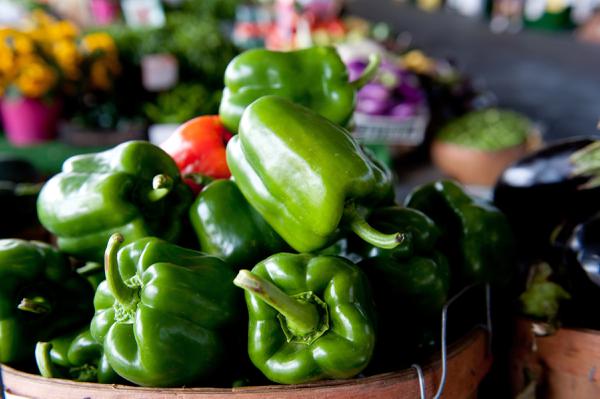
This publication discusses the environmental, economic, health, and community benefits that local food systems provide to communities.
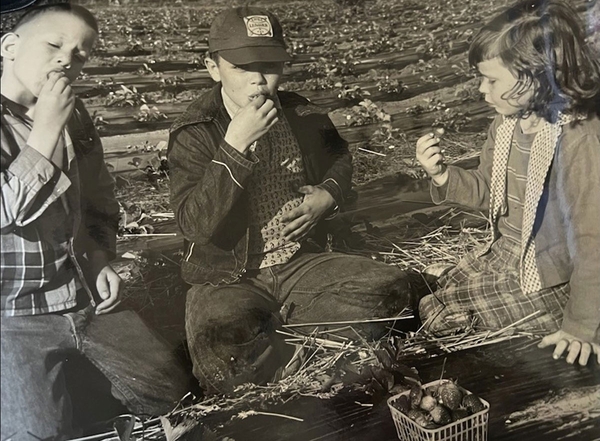
This guide provides a comprehensive overview of strawberry production in the Southeastern United States. It covers topics like cultivars, marketing, economics, production techniques, and additional considerations such as cropping and food safety. The guide is structured into four chapters, each addressing different aspects of strawberry farming, with useful resources in the appendix.
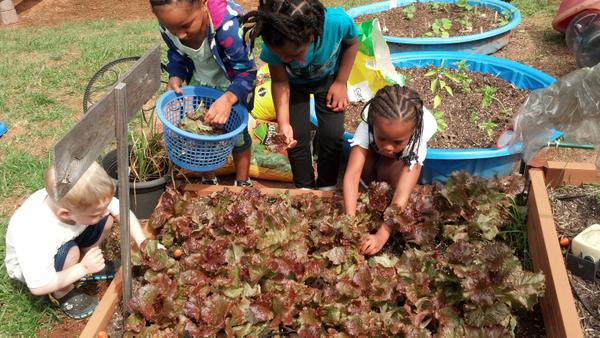
This publication focuses on easy-to-grow, child-friendly, cool-season vegetables suitable for childcare center gardening. This is the fourth of fifteen publications about childcare center production gardens.
Online sales can benefit tech-savvy local food producers who are looking for an emerging way to connect with consumers. There are multiple online sales platforms that can help ease the administrative burden of direct-to-consumer sales and help with online marketing to reach consumers. Here is a list of resources that farmers can utilize and a list of questions to consider when thinking about adopting an online platform. With the growing popularity of online shopping, producers should consider becoming involved in online sales to consumers as a strategy to make their agribusiness more resilient.
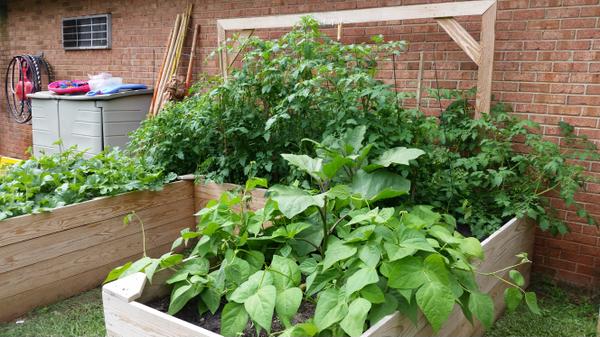
This publication focuses on easy-to-grow, child-friendly, warm-season fruits and vegetables suitable for childcare center gardening. This is the third of fifteen publications about childcare center production gardens.
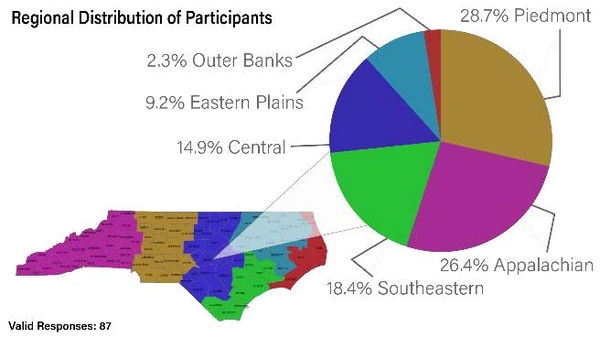
Throughout 2020, food supply chains and market channels across the state and nation continued to be disrupted by the COVID-19 pandemic. This factsheet highlights the impact the pandemic had on specialty crop producers in North Carolina from May through July 2020 and from October through December 2020. These surveys were part of a series of surveys conducted by the Center for Environmental Farming Systems, the NC State Local Foods Program, and the NC State Department of Horticultural Science throughout 2020 to capture the impact of the COVID-19 pandemic on specialty crop producers within North Carolina.
A local food directory is a listing of farms and food businesses where customers can find local food. Directories are a tool to connect consumers and producers. People who want to buy local food have to know where to find it. Many Extension offices across the state either generate their own directory or provide support for one. Volunteers, such as Extension Master Food Volunteers can help by helping to gather information about farms and food businesses. This guide outlines a process on how to engage volunteers in building a local food directory.
