Notify me when new publications are added.

This factsheet provides guidance for consumers on how to select, freeze, and thaw seafood to maintain safety and quality.
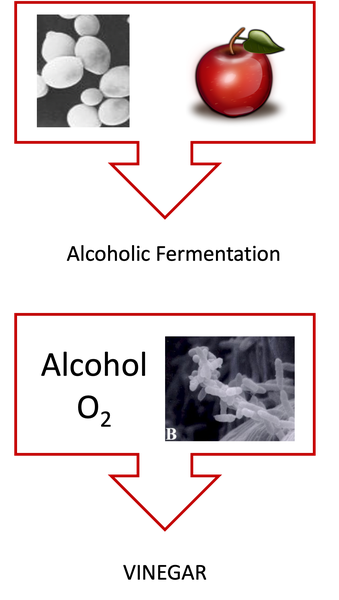
This factsheet describes the processes of creating fermented foods like yogurt, pickled vegetables, and sourdough bread.
This factsheet explains the nutrition labeling requirements small businesses are exempt from.
This factsheet provides guidelines for safely processing refrigerated foods.
This publication is intended for food processors who manufacture, pack, repack, hold, warehouse or distribute foods under the jurisdiction of the FDA. Topics include preparing a recall plan, implementing and communicating during an active recall and post-recall evaluation. Resources provided for mock templates, FDA websites, listservs and the Reportable Food Registry.
This factsheet provides guidance on how to ensure foods are safe when preparing large amounts for gatherings.
This factsheet explains the necessity of manufacturing acidified food products according to a scheduled process. A scheduled process is a process selected by a processor as adequate for use under the conditions of manufacture for a food in achieving and maintaining a food product that will not permit the growth of microorganisms having public health significance.
This factsheet provides an overview of Listeria and includes guidance on the prevention of foodborne infections (listeriosis).
This factsheet answers common questions about kombucha production.

Fact sheet covering the Food & Drug Association’s (FDA) requirements for food facilities to register their food processing establishments, continuing biannual registration renewal, and obtaining unique facility identifier numbers.
Temperature control is essential to food safety, and a thermometer is integral to temperature control. Every food handler should know how to use and calibrate a thermometer. This fact sheet will help you select, use, and calibrate several food service thermometers.
This factsheet describes the role microorganisms play in food production. Bacteria, viruses, yeasts, molds, and protozoans can serve useful functions in food production, but may also cause foods to spoil and lead to disease in humans and animals.
This factsheet gives an overview of the different federal, state, and county agencies that regulate food businesses.
This factsheet describes the potential safety hazards of extended shelf life refrigerated foods and provides recommendations for safe production and packaging.
This factsheet describes the regulatory requirements that must be met when starting a new food business.
Hazard Analysis and Critical Control Point (HACCP) techniques are becoming the accepted norm for controlling the safety of foods. Each plant should have its own written plan to incorporate HACCP principles in the operation. This factsheet is assembled to provide some general guidance in developing a HACCP plan for use in an acidified foods operation.
Food industry employees are critical to the safe production of food. Consumers rely on proper handling of foods by employees throughout the food supply chain. This guide provides employees with fundamental knowledge and skills necessary to ensure safe food within a food safety management system. This guide is part of a larger educational series for frontline employees.
This factsheet provides guidance to Extension agents on best practices when dealing with media like newspapers, magazines, or local news.
This factsheet addresses the question of whether or not it is possible to salvage crops from flooded fields.
This factsheet is a resource for the inspection of juice products.
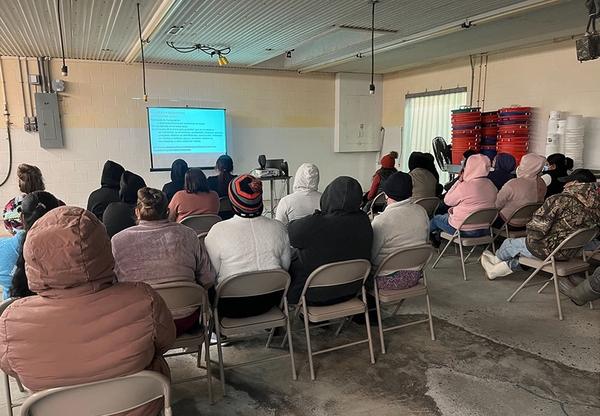
Training Videos Developed for Spanish-speaking Employees of NC Seafood Processors North Carolina seafood processors have a new training tool to provide a better understanding of sanitation and safety requirements for Spanish-speaking employees. The NC State Seafood Laboratory received a grant through NC Sea Grant to develop eight Spanish language videos that explain and show the sanitation and safety regulations the Food and Drug Administration (FDA) requires for seafood processing plants.
This document was developed in workshops with North Carolina growers to provide a framework for them to develop their own food safety plans. Each grower's conditions are different. Some may find that th eplan does not adequately address their specific conditions. In those cases, the plan will need to be supplemented.