Notify me when new publications are added.
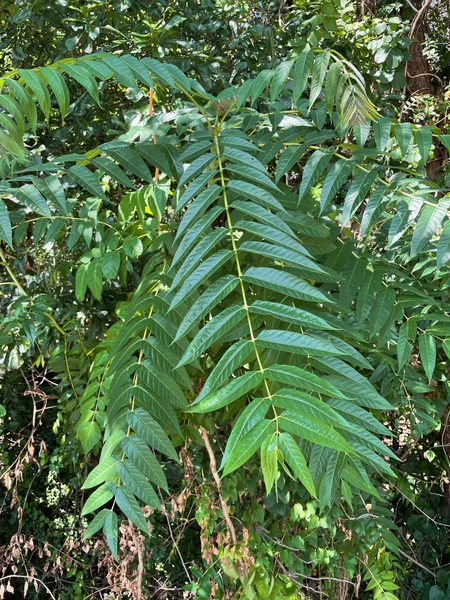
This fact sheet covers the identification, impacts, and management for tree-of-heaven (Ailanthus), an invasive plant.
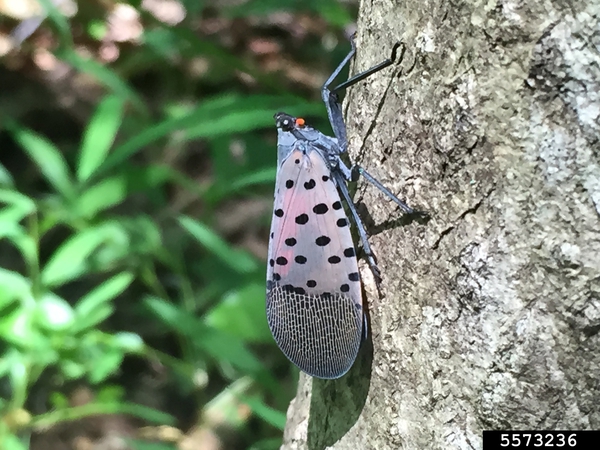
This factsheet offers information on the biology and management of the spotted lanternfly, an invasive agricultural, ornamental, and nuisance pest in the United States.
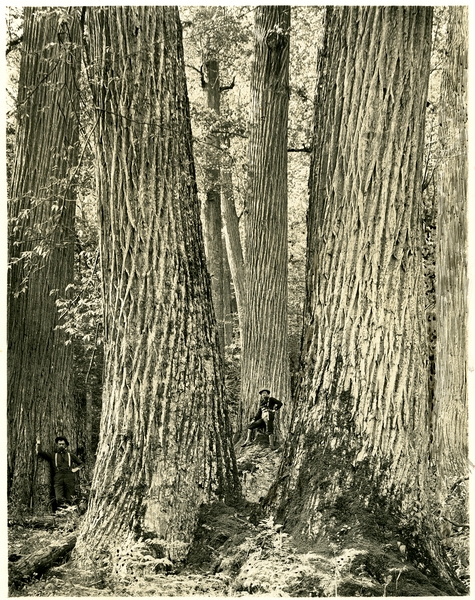
Chestnut blight is a fungal pathogen that caused the functional extinction of American chestnut in eastern North American forests. This fact sheet describes the history, biology, signs and symptoms, and hope related to the demise of chestnut in the US.
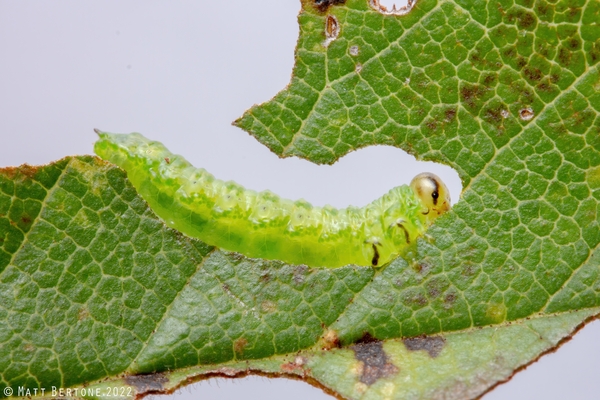
The elm zigzag sawfly is an invasive species first reported in North America in 2020. This fact sheet details what is known about its biology, identification, and management.
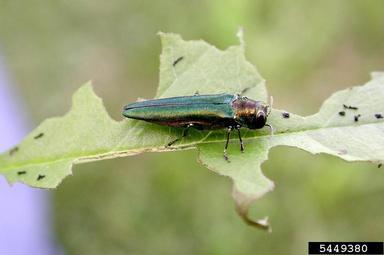
This factsheet offers information on the biology and management of the emerald ash borer, an invasive pest of ash trees in North Carolina.
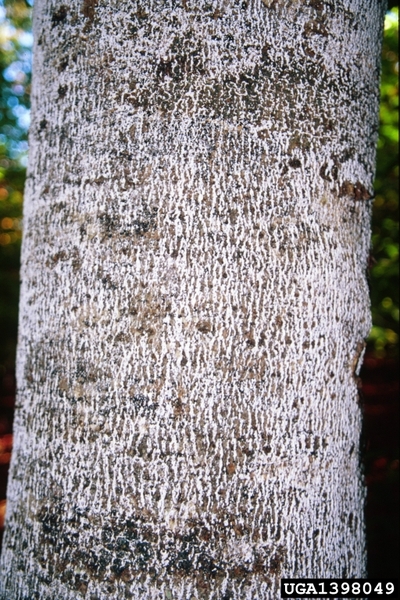
This factsheet provides information about beech bark disease, including the lifecycle, symptoms, and management strategies.
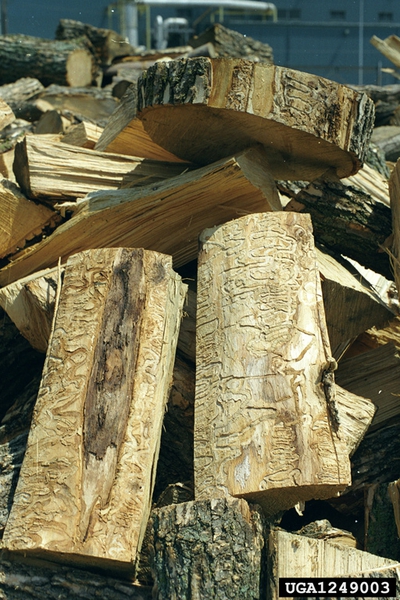
This factsheet covers information related to firewood as a threat in moving invasive pests to new areas.
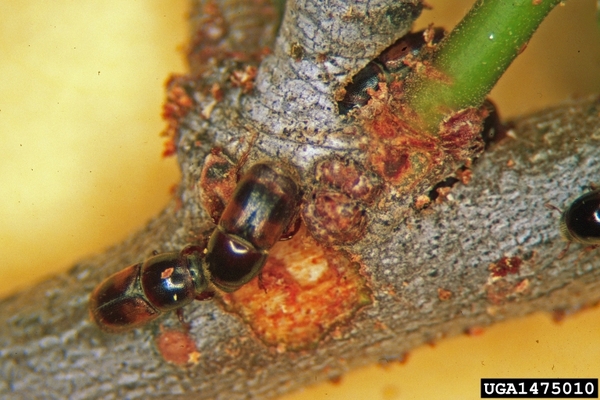
This factsheet describes the disease cycle, symptoms, and management of Dutch Elm Disease.
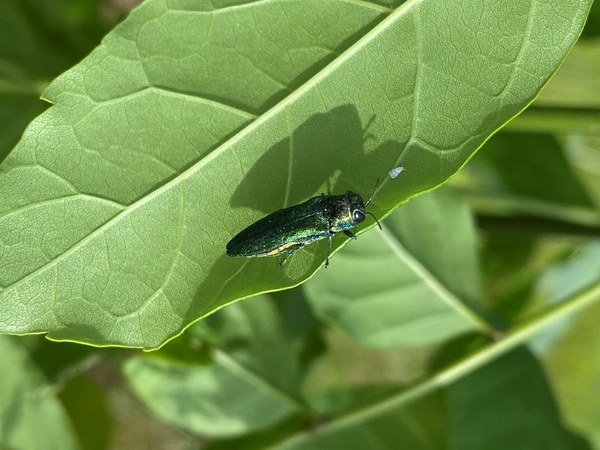
This factsheet describes biological control methods for protecting trees from damage caused by non-native emerald ash borers, including the release of parasitoid wasps that attack emerald ash borer eggs or larvae.
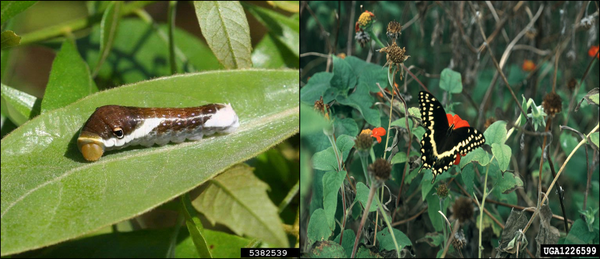
Laurel wilt is a disease of plants in the laurel family (Lauraceae), primarily redbay and sassafras, caused by an invasive beetle and the fungus it carries. The redbay ambrosia beetle, native to Southeast Asia, carries the pathogenic fungal associate within its mouthparts. When the beetle bores into its host, the fungus enters the tree, causing disease. Following infection by the pathogen, host trees react by plugging their water-transporting tissues, which stops water flow and kills the tree within a few weeks to months. While laurel wilt affects redbay and sassafras most, it can impact avocado trees, making it an economic concern for growers. The redbay ambrosia beetle was first detected in 2002 in Georgia and has since spread across the Southeast. In 2011, the beetle and fungus complex were discovered in North Carolina, and has rapidly spread.
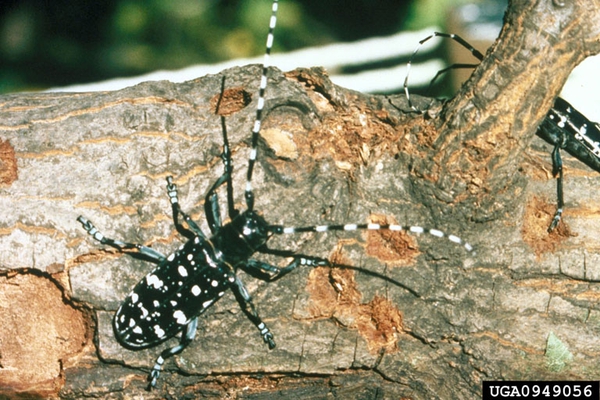
This factsheet offers information on the biology and management of the Asian longhorned beetle, an invasive forest pest in the United States.
