Notify me when new publications are added.
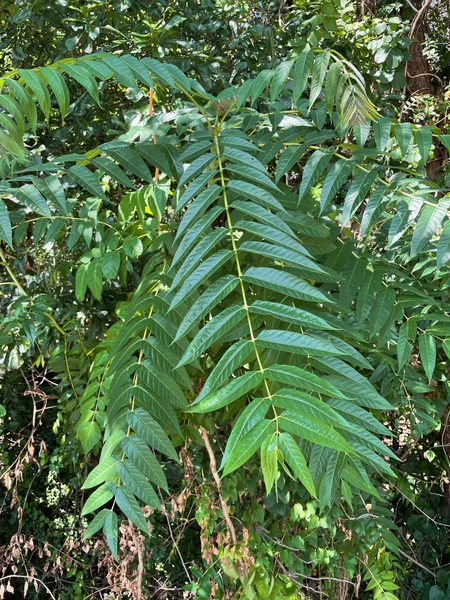
This fact sheet covers the identification, impacts, and management for tree-of-heaven (Ailanthus), an invasive plant.

This publication describes the invasive Callery pear species, its offspring, and how it can harm native ecosystems. It details how to identify these invasive trees and distinguish them from other trees with similar physical characteristics. It also includes information about what landowners should do if they have Callery pears on their property.
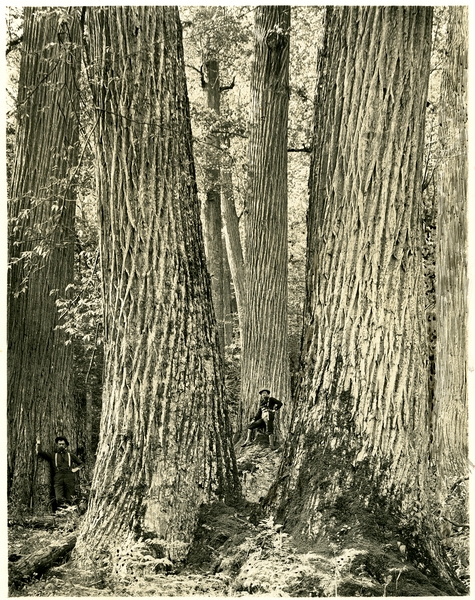
Chestnut blight is a fungal pathogen that caused the functional extinction of American chestnut in eastern North American forests. This fact sheet describes the history, biology, signs and symptoms, and hope related to the demise of chestnut in the US.
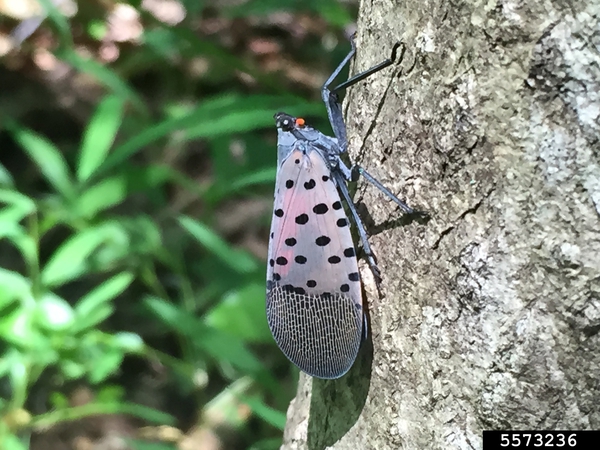
This factsheet offers information on the biology and management of the spotted lanternfly, an invasive agricultural, ornamental, and nuisance pest in the United States.
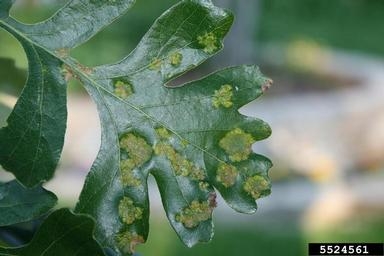
This factsheet provides brief descriptions of common disease pests of oak (Quercus spp.) in North Carolina. Pest descriptions are brief to allow readers to peruse common diseases of oaks, but provide links for readers to learn more.
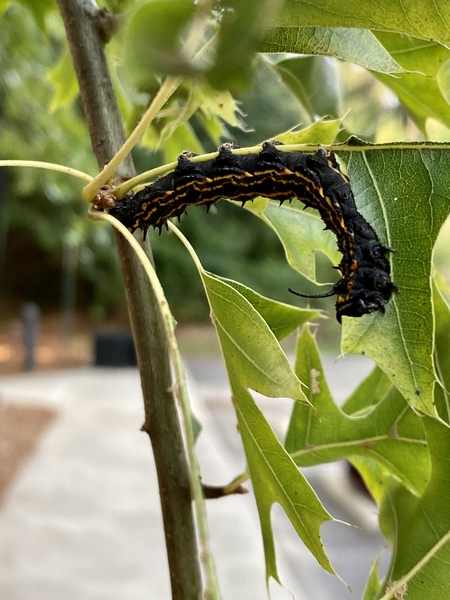
This factsheet provides brief descriptions of common insect pests of oak (Quercus spp.) in North Carolina. Pest descriptions are brief but provide links for readers to learn more.
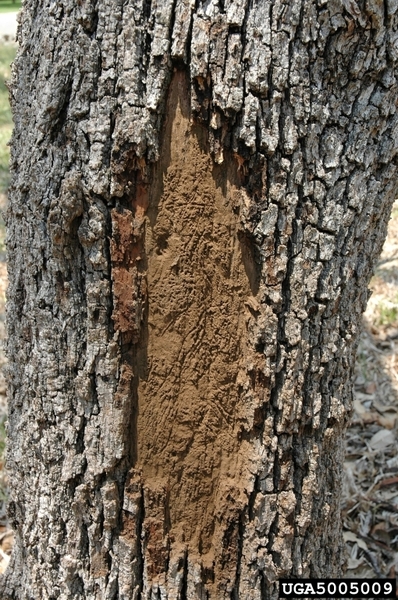
Biscogniauxia canker, formerly known as Hypoxylon canker, is a fungal disease which impacts hardwood trees throughout the southern United States. The causal pathogen lives within many hardwood trees, but the hosts do not succumb unless they are stressed by some other factor, such as drought, injury, or poor site conditions. Biscogniauxia, the genus of the fungal pathogen, becomes problematic when it invades the sapwood of its hosts following stress, leading to disease symptoms and tree death. Although this disease was formerly called Hypoxylon canker, it should not be confused with Hypoxylon canker of aspens, which is caused by a separate fungal pathogen.
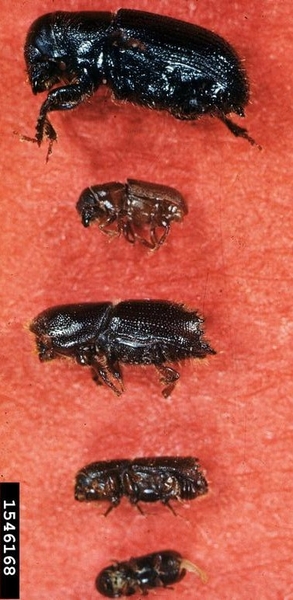
This fact sheet discusses the three most common pine bark beetles in North Carolina and their impacts, identification, and management.
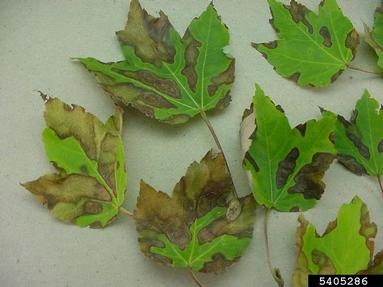
This factsheet provides brief descriptions of common disease pests of maple (Acer spp.) in North Carolina. Pest descriptions are brief but provide links for readers to learn more.
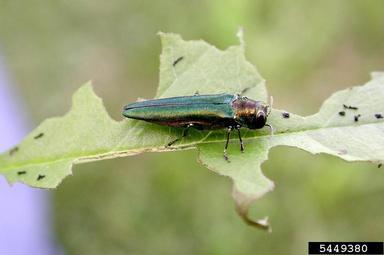
This factsheet offers information on the biology and management of the emerald ash borer, an invasive pest of ash trees in North Carolina.
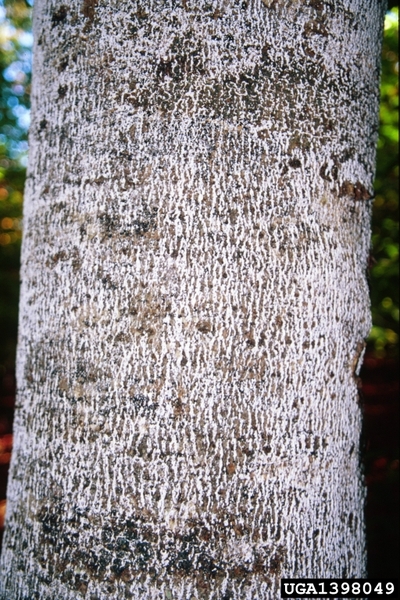
This factsheet provides information about beech bark disease, including the lifecycle, symptoms, and management strategies.
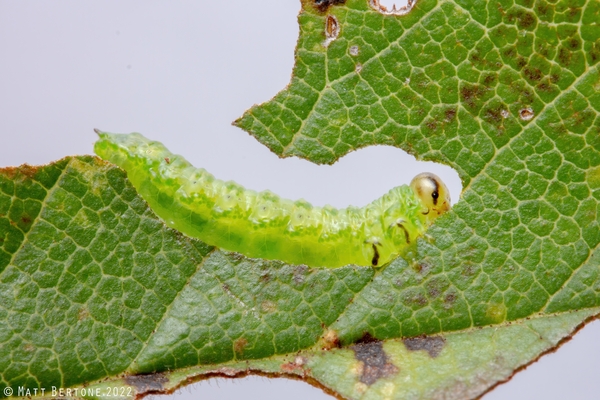
The elm zigzag sawfly is an invasive species first reported in North America in 2020. This fact sheet details what is known about its biology, identification, and management.
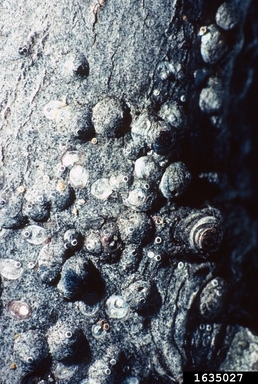
This factsheet provides brief descriptions of common insect pests of maple (Acer spp.) in North Carolina. Pest descriptions are brief but provide links for readers to learn more.
This publication provides information about commonly encountered spider families in North Carolina, their role in the ecosystem, where they live, and, if necessary, how to manage them. It also discusses what spiders have meant to people throughout the ages and the spiders to look out for as they expand their range into the southeastern United States.
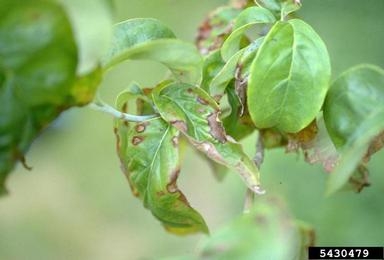
This fact sheet compiles common disease of dogwood trees (Cornaceae) in North Carolina. It contains brief descriptions with links to reputable and more thorough fact sheets.
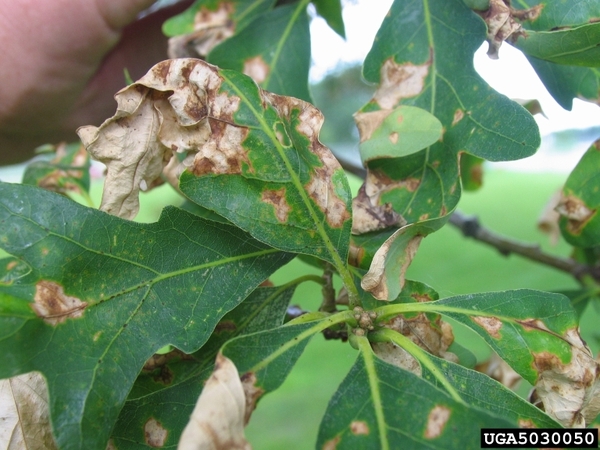
This fact sheets details the identification and management of a common group of fungal diseases, anthracnose.

This fact sheet discusses the Ash Flower Gall Mite, a minor/aesthetic pest of ash trees.
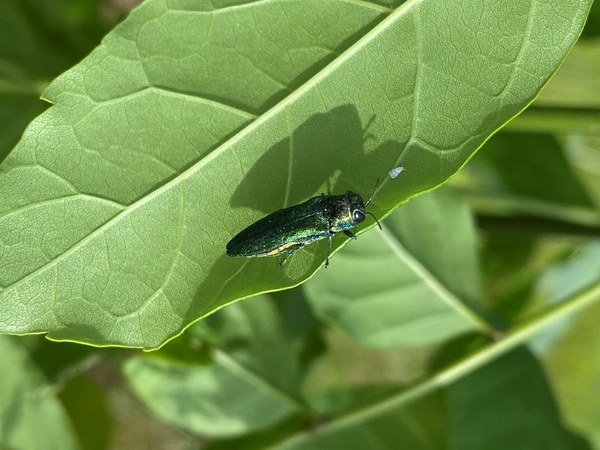
This factsheet describes biological control methods for protecting trees from damage caused by non-native emerald ash borers, including the release of parasitoid wasps that attack emerald ash borer eggs or larvae.
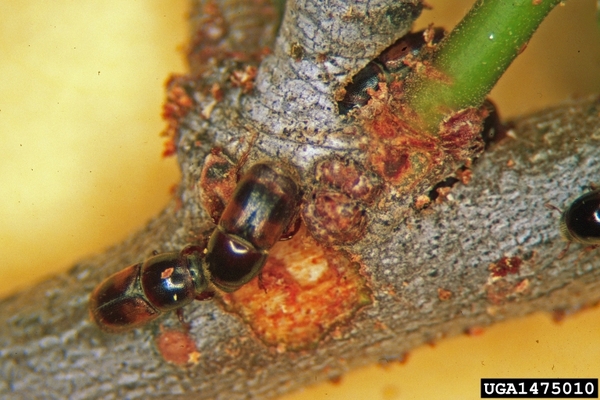
This factsheet describes the disease cycle, symptoms, and management of Dutch Elm Disease.
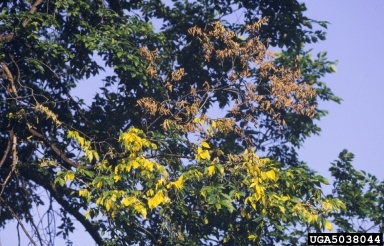
Elm trees (Ulmus spp.) are prized landscape and street trees valued for their canopy shape and adaptability to a variety of sites. However, they are vulnerable to several diseases that can affect their health, appearance, and longevity. This fact sheet provides a brief look at some diseases that affect elms, ranging from deadly threats like Dutch elm disease to more manageable issues like powdery mildew.
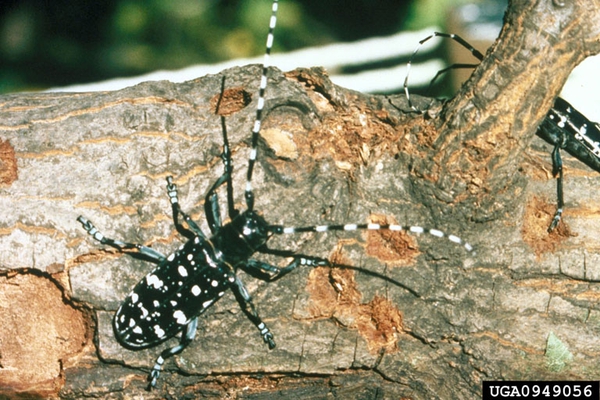
This factsheet offers information on the biology and management of the Asian longhorned beetle, an invasive forest pest in the United States.
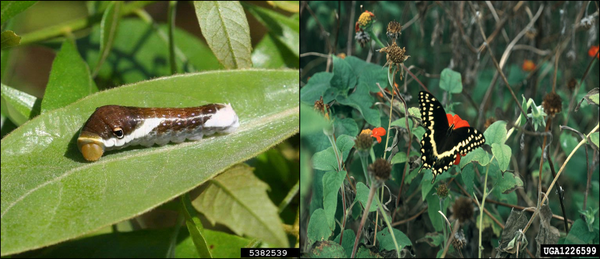
Laurel wilt is a disease of plants in the laurel family (Lauraceae), primarily redbay and sassafras, caused by an invasive beetle and the fungus it carries. The redbay ambrosia beetle, native to Southeast Asia, carries the pathogenic fungal associate within its mouthparts. When the beetle bores into its host, the fungus enters the tree, causing disease. Following infection by the pathogen, host trees react by plugging their water-transporting tissues, which stops water flow and kills the tree within a few weeks to months. While laurel wilt affects redbay and sassafras most, it can impact avocado trees, making it an economic concern for growers. The redbay ambrosia beetle was first detected in 2002 in Georgia and has since spread across the Southeast. In 2011, the beetle and fungus complex were discovered in North Carolina, and has rapidly spread.
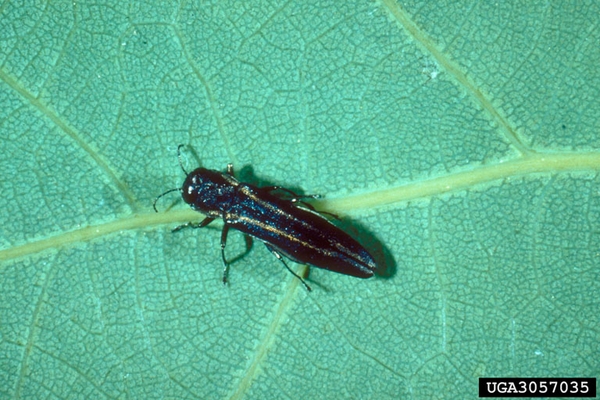
This fact sheet covers the identification, biology, impacts, and management of the twolined chestnut borer.
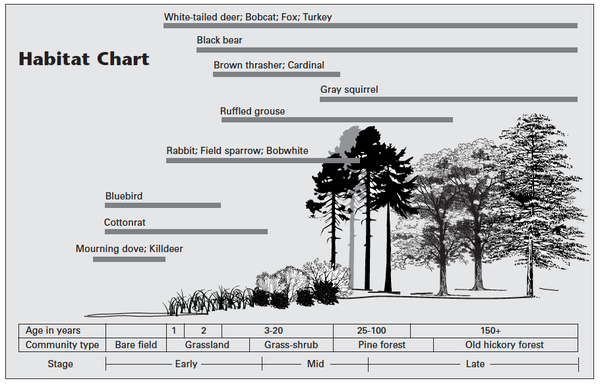
This Forest*A*Syst publication was written as a personal, confidential learning tool to help achieve your goals for forest ownership. First, answer the self-assessment questions to determine where you interests lie, and then continue reading to learn practical ways of pursuing these interests. The text focuses on water quality and aesthetic improvements that originate from reasoned forest management To gather more information, review the sources of information in the Getting Help section and tap these sources to learn even more. Also, don't forget to follow the directions for developing a management plan tailored to your dreams for your forest.
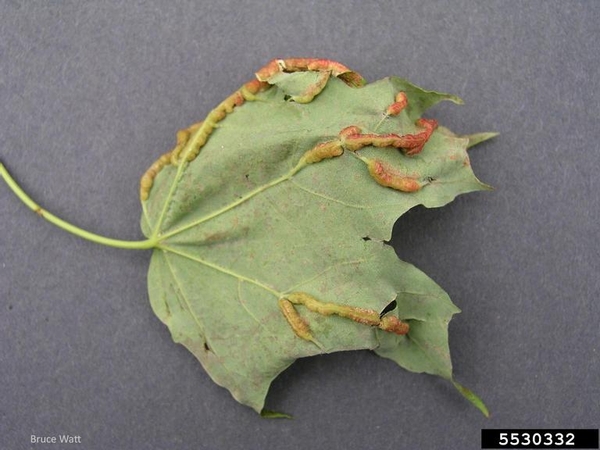
This fact sheet describes the biology, identification and management of gouty vein gall midge.
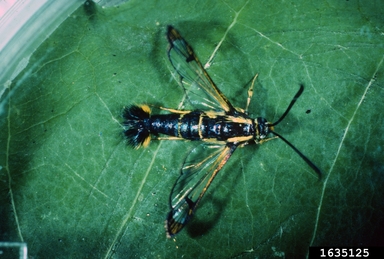
This fact sheet compiles common arthropod pests of dogwood trees (Cornaceae) in North Carolina. It contains brief descriptions with links to reputable and more thorough fact sheets.

Elms (Ulmus spp.) are valued shade and street trees across North Carolina, but they are vulnerable to a range of insect pests. Some cause only minor, cosmetic damage, while others play a major role in spreading serious diseases such as Dutch elm disease. This factsheet highlights the most common insect pests of elm in North Carolina, their identification and biology, and management options to help homeowners, arborists, and land managers protect these important trees.
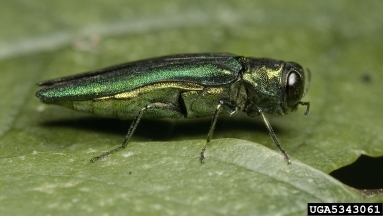
This factsheet provides descriptions of several pests of Ash trees in North Carolina. It describes the characteristics of each insect and the damage they cause and offers potential mitigation strategies.
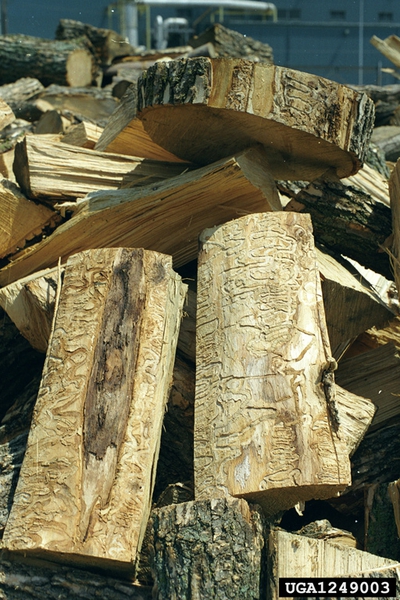
This factsheet covers information related to firewood as a threat in moving invasive pests to new areas.
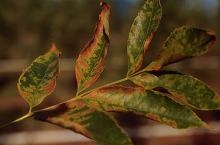
This factsheet describes several diseases that impact the health of ash trees.

This manual prepares pesticide applicators for Forest Pest Control Certification exams in the following states: Alabama, Arkansas, Louisiana, Mississippi, North Carolina, South Carolina, and Tennessee. It provides the information pesticide applicators need to understand when applying pesticides in a forested system.