Notify me when new publications are added.
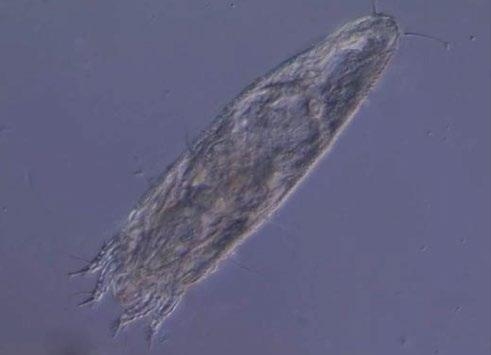
Blueberry bud mites (Acalitus vaccinii) are tiny, microscopic mites in the family Eriophyidae that can cause significant damage to blueberries. In large numbers, bud mites can prevent flower buds from developing, creating symptoms that resemble cold injury or poor fruit set. The identification and treatment of plants suspected of being infected with bud mites is important to reduce inadequate fruit set later in the season. Proper treatments for bud mite infestations include post-harvest pruning of bushes and using a high-volume, high-pressure application of appropriate horticulture oils and miticides.

Leaf tier moths are occasional pests of blueberries in North Carolina. Species such as the oblique-banded leafroller (Choristoneura rosaceana), blueberry leaf tier (Acleris curvalana), and gold striped leaf tier (Machimia tentoriferella) feed on blueberries and other hardwoods. Typically, populations don’t reach economically damaging levels, but if gone unchecked, fall infestations can severely reduce bud numbers in the spring. Leaf tier caterpillars tie or fold leaves using silk to produce a tent-like structure for them to hide. They will then begin to eat these tied leaves and venture to other parts of the plant. On blueberry plants, leaf tiers chew holes in leaves, burrow into closed flower buds, and feed on fruit, which, if left unchecked, has the potential to harm blueberry plant productivity.

Leafhoppers are insects of importance to highbush blueberry growers in North Carolina. Species in the genus Scaphytopius, namely the sharp-nosed (Scaphytopius acutus) and blueberry leafhopper (Scaphytopius magdalensis), can contribute to economic losses in blueberry production. While these leafhoppers cause very little harm to blueberry plants directly, they can transmit a destructive disease called “blueberry stunt” through their feeding. Blueberry stunt is a microorganism that inhabits the sapwood of blueberry plants and infects its host for life. It causes severe stunting, with infected plants achieving only half the size of healthy plants, and once infected, disposal of the plant is necessary to avoid further spread. Therefore, it is important to monitor, identify, and manage associated insects as soon as they are observed in the field.
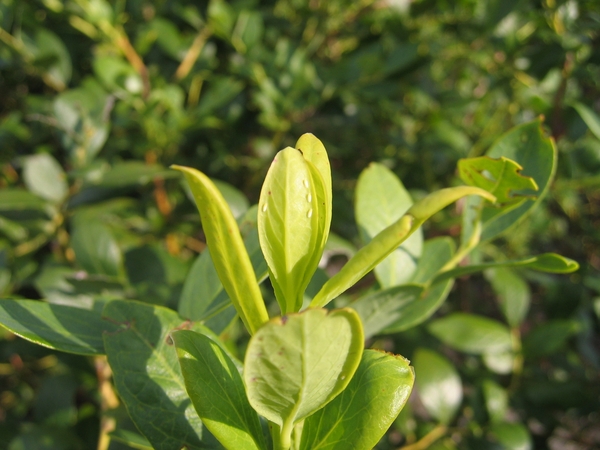
Whiteflies (Hemiptera: Aleyrodidae) are small (< 0.12 inch) and highly diverse insects that feed on the underside of leaves of many food crops and ornamental plants. They are a large group, with 1,550+ described species. The whitefly species most commonly found on North Carolina blueberries is Tetraleurodes ursorum, also known as the bearberry whitefly. Little is known about the biology and economic impact of this pest, and this fact sheet includes a summary and some points on its management in blueberries.
