Notify me when new publications are added.
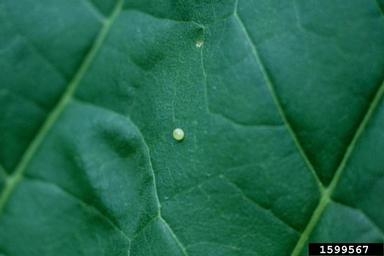
Two species of hornworm caterpillars feed on tobacco and other plants. Tobacco hornworms (Manduca sexta) and tomato hornworms (Manduca quinquemaculata) are easy to confuse. They both have similar appearance, life cycles, and eat some of the same host plants. Mature caterpillars of either of these pests can quickly defoliate tobacco and tomato plants.

This Extension publication provides an overview of the tobacco budworm (Chloridea virescens), a common pest in flue-cured tobacco. It outlines the insect’s life cycle, behavior, and the types of plant damage observed during the growing season. The resource emphasizes the importance of regular scouting after transplant, and it presents economic thresholds. Management recommendations focus on insecticide applications when thresholds are exceeded, along with the role of natural enemies such as parasitic wasps and predatory paper wasps in regulating budworm populations.
This guide for growers, updated annually, provides information on production and pest management practices applicable to growing flue-cured tobacco in North Carolina.
This publication covers insect control in a variety of crops, as well as household pests.
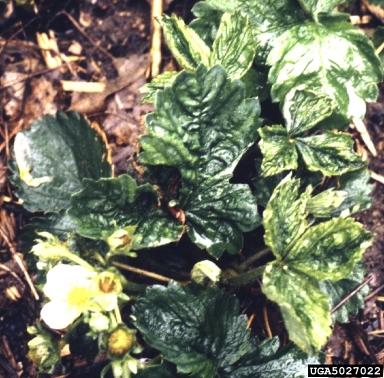
This factsheet describes the biology and management of cylamen mites in strawberries.
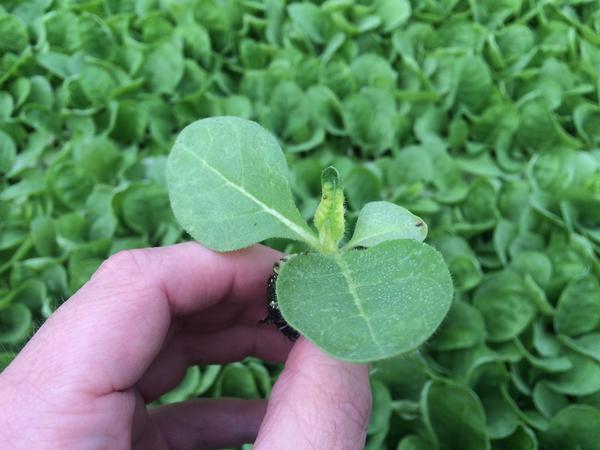
This publication provides at-a-glance information for growing tobacco in greenhouses, including sanitation practices, source water analysis, fertilizer management, disease control, and insect control.
This publication covers insect and disease control in apples, blueberries, caneberries, grapes, peaches, pecans and strawberries.
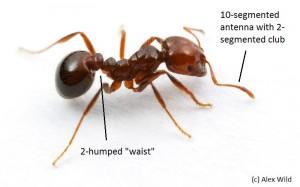
This factsheet provides information on the red imported fire ant and its impact on North Carolina strawberries.
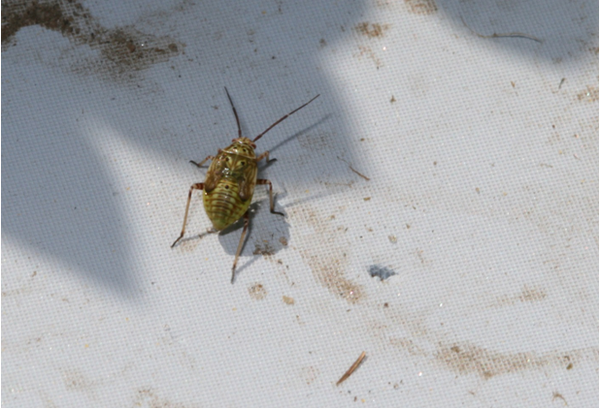
This fact sheet describes tarnished plant bugs (Lygus lineolaris, TPB) and their impact on strawberry crops. Tarnished plant bug is becoming an important insect pest of strawberries in the eastern United States. Feeding on developing fruit causes characteristic "cat-faced" or "button berry" deformities that render fruit unmarketable in fresh-market production.

This publication covers the corn earworm in strawberries and its impact in North Carolina.
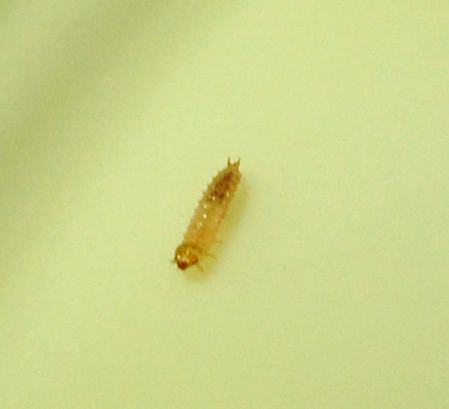
This factsheet describes sap beetles and their impact on North Carolina strawberries.
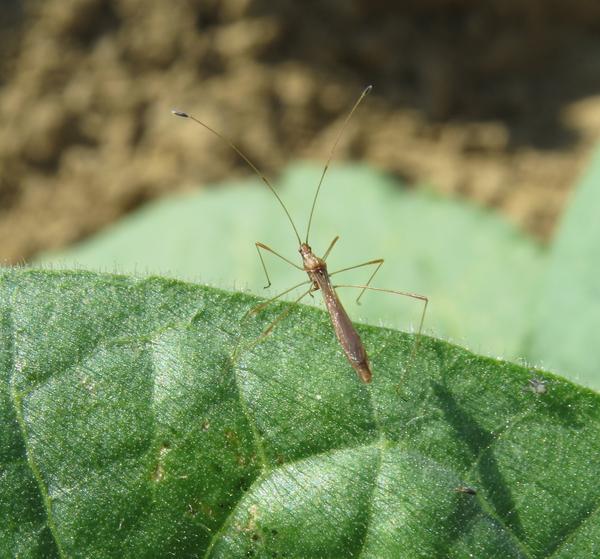
The spined stilt is the most abundant predator insect in tobacco and is found in other economically important crops covered with trichomes, including tomatoes. This factsheet offers information on this pest.
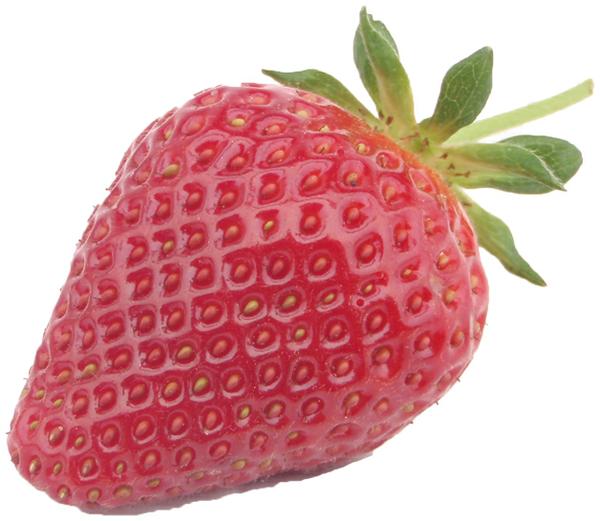
This factsheet provides information on whiteflies and their impact on North Carolina strawberries.

Tomato spotted wilt virus (TSWV), a member of the Orthotospovirus genus, was first described in 1915 in Australia and later confirmed as the causal agent of spotted wilt disease in the 1930s. Its global emergence intensified in the 1980s and 1990s, driven largely by the spread of western flower thrips (Frankliniella occidentalis), a highly efficient vector. TSWV was first detected in North Carolina in 1988 and became widespread by 1997, with average incidence reaching 10–15% in the Coastal Plains and severe crop losses reported. In the southeastern U.S., the primary vector in tobacco is the tobacco thrips (F. fusca), which, along with the virus's ability to infect over 1,000 plant species, contributes to its persistent threat to diverse agricultural systems.
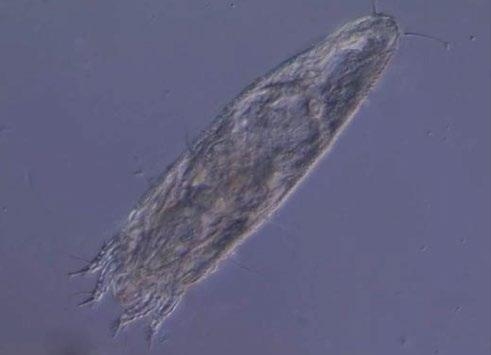
Blueberry bud mites (Acalitus vaccinii) are tiny, microscopic mites in the family Eriophyidae that can cause significant damage to blueberries. In large numbers, bud mites can prevent flower buds from developing, creating symptoms that resemble cold injury or poor fruit set. The identification and treatment of plants suspected of being infected with bud mites is important to reduce inadequate fruit set later in the season. Proper treatments for bud mite infestations include post-harvest pruning of bushes and using a high-volume, high-pressure application of appropriate horticulture oils and miticides.
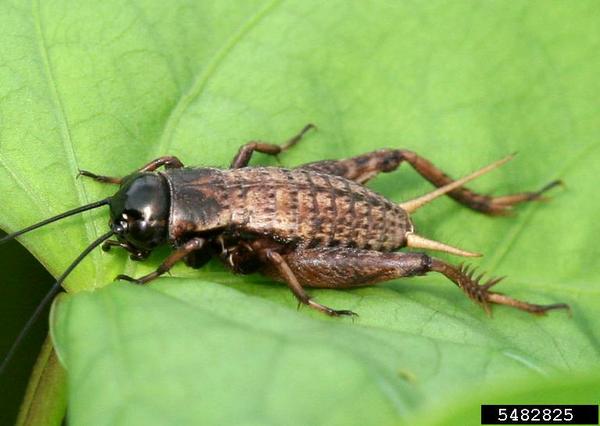
This factsheet provides information on crickets and their impact on North Carolina strawberries.

Leaf tier moths are occasional pests of blueberries in North Carolina. Species such as the oblique-banded leafroller (Choristoneura rosaceana), blueberry leaf tier (Acleris curvalana), and gold striped leaf tier (Machimia tentoriferella) feed on blueberries and other hardwoods. Typically, populations don’t reach economically damaging levels, but if gone unchecked, fall infestations can severely reduce bud numbers in the spring. Leaf tier caterpillars tie or fold leaves using silk to produce a tent-like structure for them to hide. They will then begin to eat these tied leaves and venture to other parts of the plant. On blueberry plants, leaf tiers chew holes in leaves, burrow into closed flower buds, and feed on fruit, which, if left unchecked, has the potential to harm blueberry plant productivity.
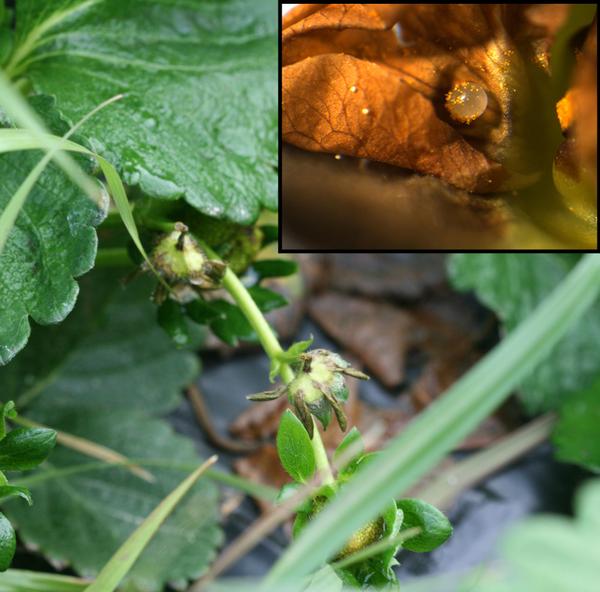
This factsheet describes the biology and management of strawberry clipper weevils in commercial strawberry production.

Leafhoppers are insects of importance to highbush blueberry growers in North Carolina. Species in the genus Scaphytopius, namely the sharp-nosed (Scaphytopius acutus) and blueberry leafhopper (Scaphytopius magdalensis), can contribute to economic losses in blueberry production. While these leafhoppers cause very little harm to blueberry plants directly, they can transmit a destructive disease called “blueberry stunt” through their feeding. Blueberry stunt is a microorganism that inhabits the sapwood of blueberry plants and infects its host for life. It causes severe stunting, with infected plants achieving only half the size of healthy plants, and once infected, disposal of the plant is necessary to avoid further spread. Therefore, it is important to monitor, identify, and manage associated insects as soon as they are observed in the field.
This publication, chapter 10 of the 2026 Flue-Cured Tobacco Information handbook, covers insect management in tobacco production.
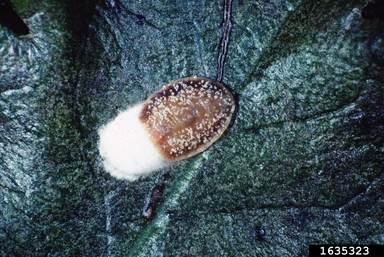
This article will cover two important scale insect pests of blueberries in North Carolina, terrapin scale (Mesolecanium nigrofasciatum) and cottony scale (Pulvinaria spp.), focusing on their biology, scouting, and management. It will describe key identification features, such as the dome-shaped, banded shells of terrapin scale and the conspicuous white egg sacs of cottony scale, and outline their seasonal life cycles. Scouting recommendations will be provided to help detect infestations using stem and leaf inspections during peak activity. Management strategies, including dormant oil applications, targeted treatments during crawler emergence, cultural practices like pruning, and the role of natural enemies, will also be discussed to support effective and sustainable control.

Several species of grasshoppers can cause foliar feeding damage in tobacco. They are typically most numerous in dry years and in fields adjacent to hay or weedy strips. Weed burndown or hay mowing can drive grasshoppers and other generalist insects into tobacco and increase feeding activity.
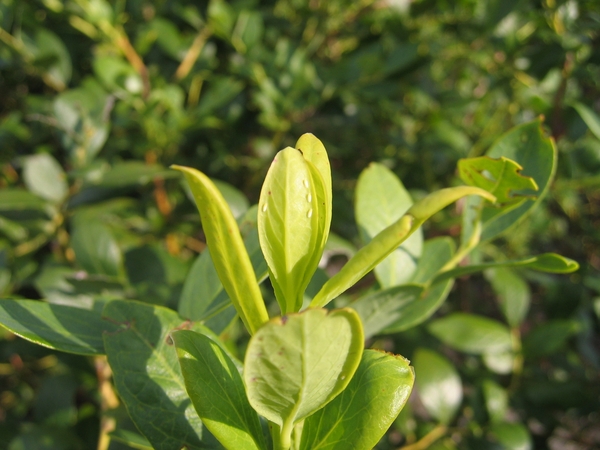
Whiteflies (Hemiptera: Aleyrodidae) are small (< 0.12 inch) and highly diverse insects that feed on the underside of leaves of many food crops and ornamental plants. They are a large group, with 1,550+ described species. The whitefly species most commonly found on North Carolina blueberries is Tetraleurodes ursorum, also known as the bearberry whitefly. Little is known about the biology and economic impact of this pest, and this fact sheet includes a summary and some points on its management in blueberries.
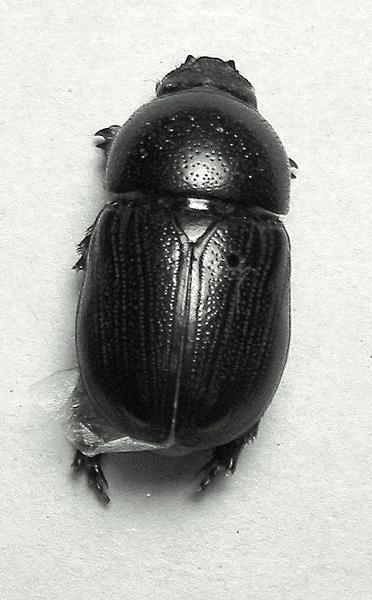
This factsheet provides information on the sugarcane beetle and its impact on North Carolina strawberries.
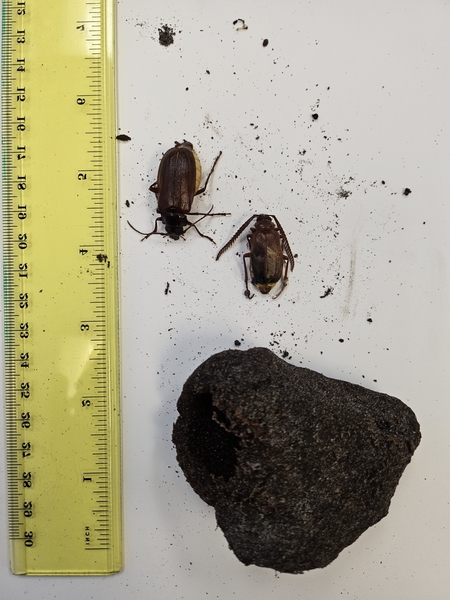
This factsheet provides information about Prionus infestation in North Carolina Blueberries.
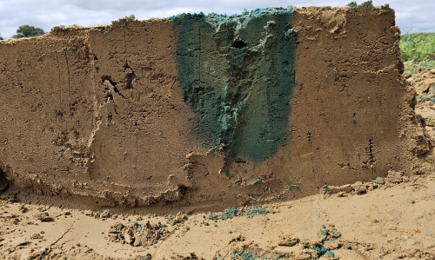
Soil fumigation remains an essential practice for managing soilborne pathogens, nematodes, and weeds in high-value vegetable production systems. Traditional shank injection provides effective fumigant placement but is associated with high equipment costs, increased soil disturbance, and operational constraints. Drip-applied fumigation has emerged as a potential alternative in plasticulture systems where drip irrigation infrastructure is already in place. This publication examines the principles, advantages, and limitations of drip-applied fumigation compared with shank fumigation, with emphasis on fumigant distribution and pest control efficacy.