Notify me when new publications are added.
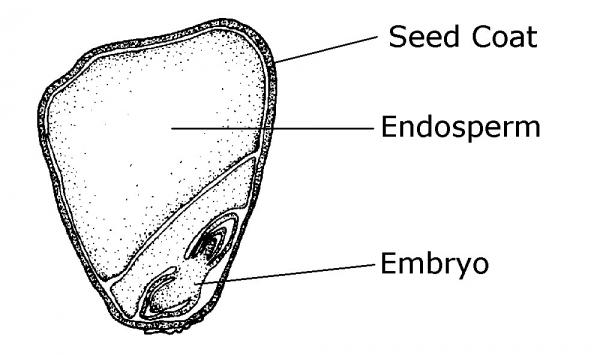
This propagation chapter from the Extension Gardener Handbook explains how and why to grow new plants from seed (sexual reproduction) and from cuttings (asexual propagation).
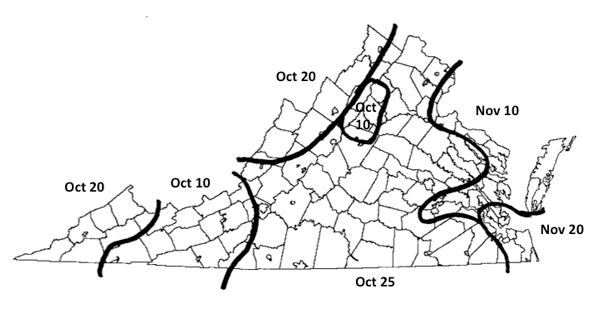
This publication for nursery managers and homeowners describes how to protect nursery plants and keep them healthy through the winter.
This publication offers fertilizer suggestions for a variety of crops, including field, pasture and hay crops, tree fruit, small fruit, ornamental plants and vegetable crops.
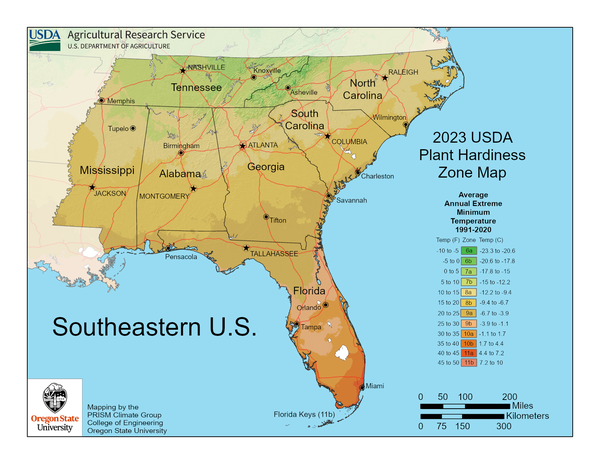
Despite the popularity and necessity of landscaping, it can be quite daunting thinking through how to select plants for a chosen site. The purpose of this factsheet is to provide both consumers and landscapers with a few hints to select landscape plants that will best fit their current project. Several takeaways include understanding the importance of the environment and location of the planting area, mature size of the plant and its characteristics, as well as how layering can increase seasonal interest and diversity of the landscape. These tips will ensure that gardeners are better equipped to make the best selection for their landscapes.
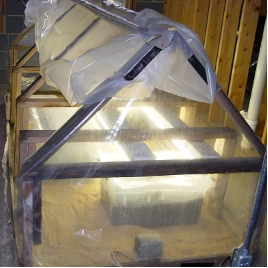
This factsheet covers the basics of constructing a propagation / winter protection structure in a quonset design.
This publication is a compilation of ideas from a few specialists based on research, reports in the landscape, experience, and intuition on how to manage storm and disaster damage in landscapes and nurseries.
This publication explains plant growth regulators for a variety of crops.
Monitoring leachate can be a helpful tool to successfully schedule irrigation and avoid the inefficiencies associated with over-irrigation. This publication, a collaboration between several states, describes irrigation scheduling and the factors that affect it, explains the concept of leaching and methods for measuring leaching fraction and how to use that information to schedule irrigation, and illustrates how to manage high salinity in irrigation source water through leaching.
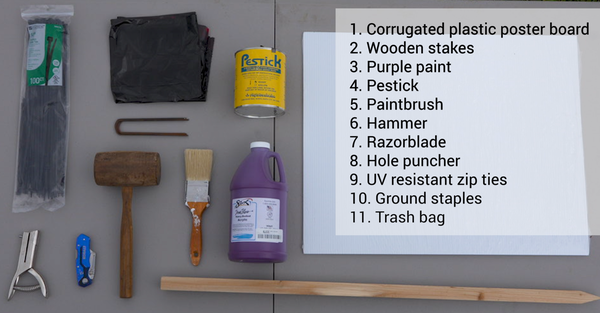
Purple panel traps can help trap and monitor buprestid species in your nursery or orchard, including but not limited to Flatheaded Appletree Borer (Chrysobothris femorata), Pacific Flatheaded Borer (Chrysobothris mali), and Emerald Ash Borer (Agrilus planipennis). Install traps near your trees in late March or April. Flatheaded borers effecting woody ornamentals emerge around May or June in the Southeastern US or June to August in the Pacific Northwest US.
