Notify me when new publications are added.
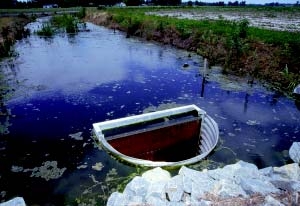
This technical bulletin discusses riparian buffers and controlled drainage as best practices to reduce nonpoint (diffuse runoff) water pollution in North Carolina's basins. The article covers in-depth explanations of riparian buffers and controlled drainage; designs, how they work to protect stream health and reduce nitrogen and pesticides. Recommendations for best practices are provided for the coastal plain, lower coastal plain and Tidewater, middle and upper coastal plain, Piedmont and mountain regions. A glossary of terms is included.
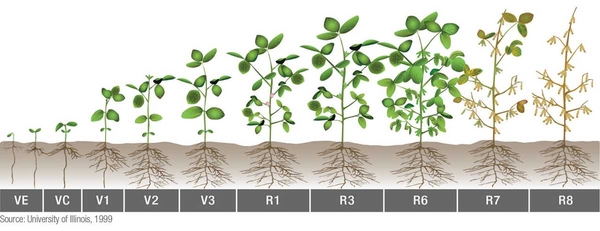
This publication, chapter 10 of the North Carolina Soybean Production Guide, addresses soybean water needs and growth stages and provides water management guidance.
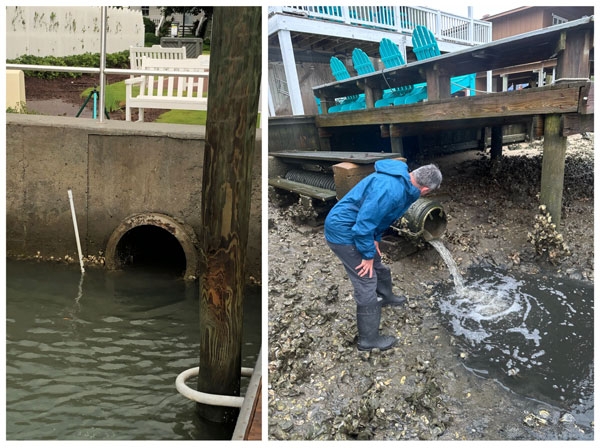
This publication provides information about tidal flooding and reviews devices communities can use to modify existing infrastructure to minimize the effects of tidal floods.

This publication provides information to growers about soybean production in North Carolina. It discusses economic trends and forecasts, cultural practices, variety selection, planting decisions, nutrient management, diseases and pests, and other production practices.

This publication discusses how to use controlled drainage as way to to reduce nutrient losses from agricultural land to surface waters and groundwater. It includes information on controlled drainage systems, structure location and management, and water quality and crop yield benefits.
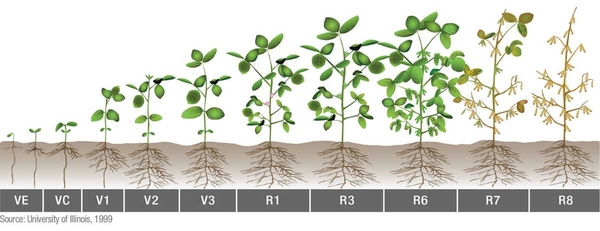
This publication discusses the factors involved in managing water requirements for soybeans. It addresses growth stage, depth of root penetration, soil types, topography, and the ability to manage water in the field through an irrigation and drainage system.
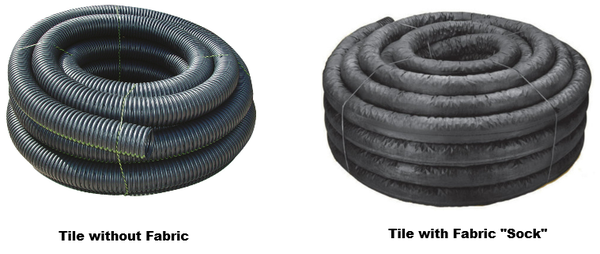
Subsurface drainage is beneficial to agricultural lands by improving crop yield and eliminating prolonged wet periods without taking land out of production. This publication provides an overview of the costs of installing subsurface drainage on agricultural lands in North Carolina.
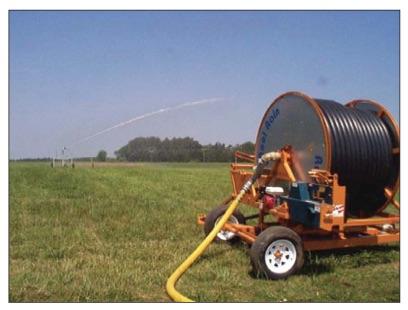
This publication addresses application techniques that affect drift and odor problems associated with wastewater application, so that managers and designers of land application systems can make wise decisions on how to apply wastewater with minimal impact on neighbors and the environment.

Knowing the soil profile of your agricultural land will help determine the spacing needed for installing subsurface drains. This publication provides essential information to producers, landowners, farm managers, and contractors for determining proper drain spacing based on soil types.

This publication examines trends in crop insurance and irrigation in North Carolina, highlighting how growers can use these tools to manage yield variability. Topics include insurance adoption and irrigation uptake, and where irrigation adoption is happening within the state.
